


How Flow Control Engineering Supports Energy and Petrochemical Safety
Flow control engineering serves as the backbone of safe operations in high-risk industrial environments where even small system failures can lead to catastrophic consequences. This guide targets safety engineers, plant managers, operations supervisors, and technical professionals working in energy and petrochemical facilities who need practical insights into implementing effective industrial safety systems.
Managing hazardous materials and high-pressure processes requires sophisticated flow control technology that goes beyond basic monitoring. Modern facilities depend on integrated safety valve systems and process safety management protocols to prevent accidents, protect workers, and maintain continuous operations. The stakes couldn’t be higher – one compromised flow system can result in explosions, toxic releases, or environmental disasters.
We’ll explore how industrial flow systems create multiple layers of protection in energy sector safety applications, from automatic shutdown procedures to real-time hazardous material handling controls. You’ll also discover how advanced petrochemical safety measures help companies meet strict regulatory compliance engineering requirements while reducing operational risks and insurance costs. Finally, we’ll examine specific risk mitigation strategies that combine traditional safety principles with cutting-edge flow control solutions.
Understanding Flow Control Engineering in Industrial Applications
Defining flow control systems and their core components
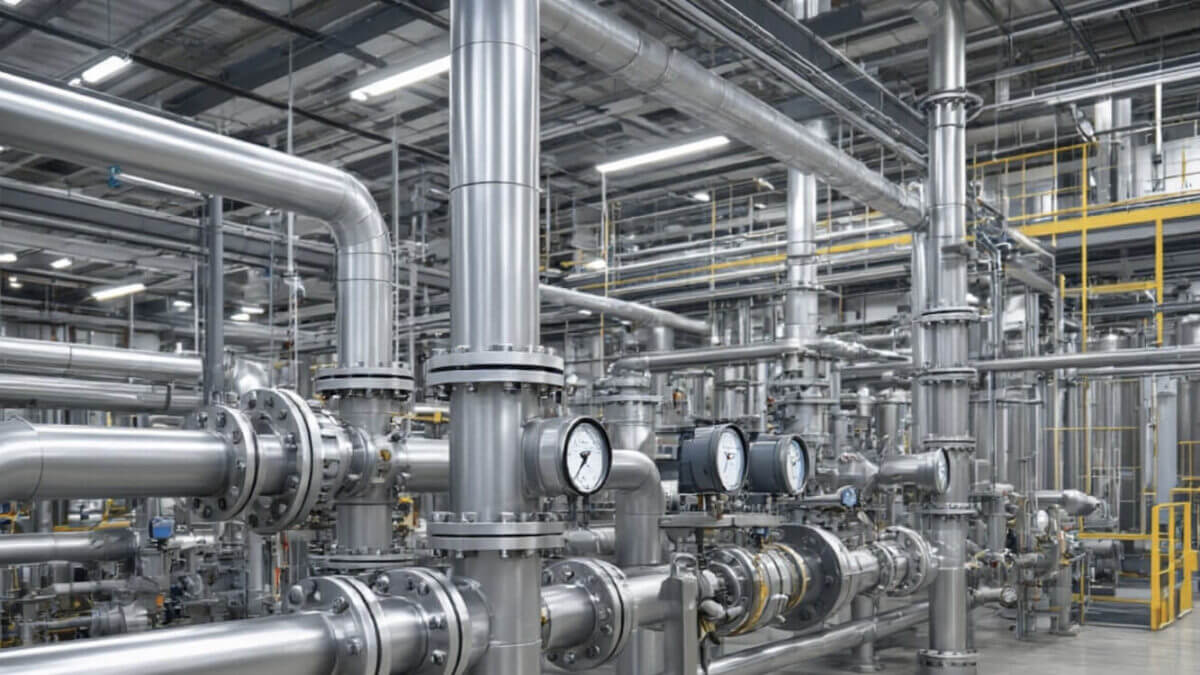
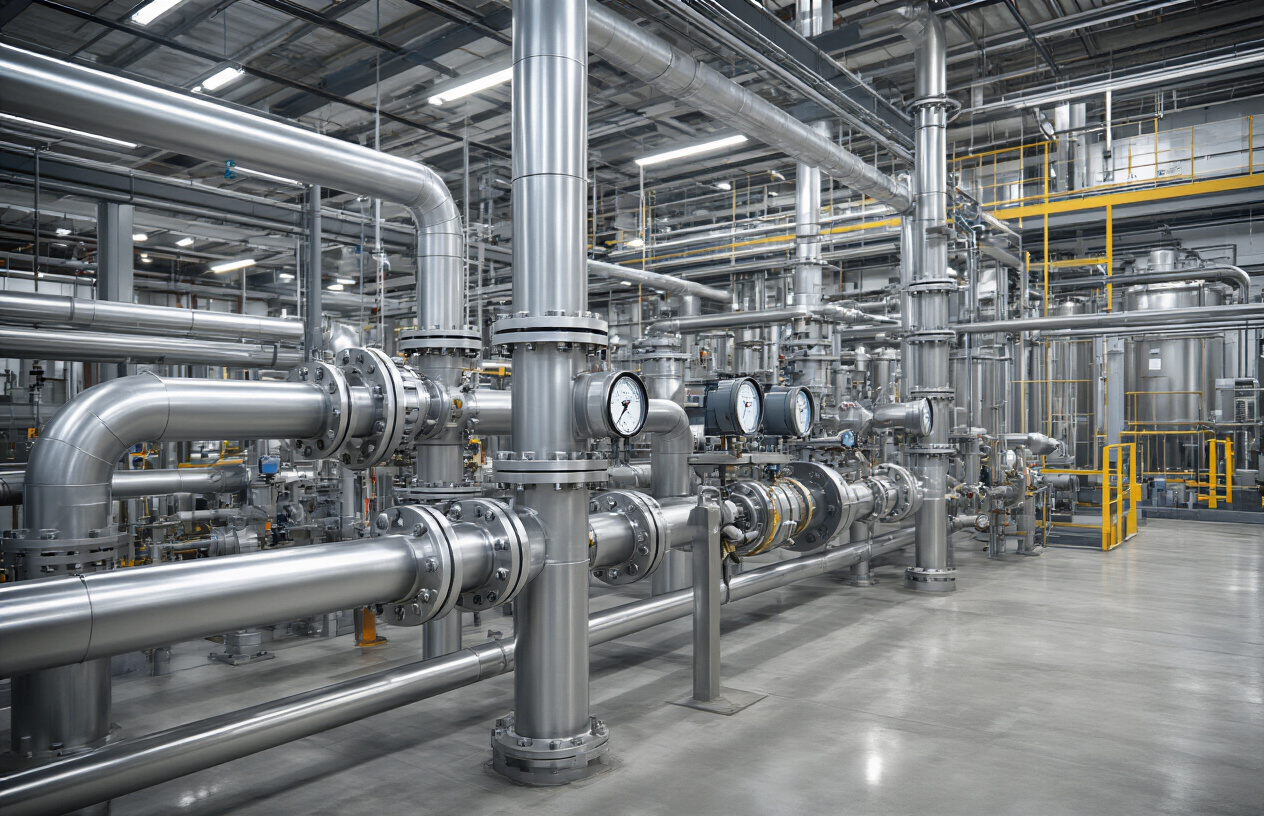
Flow control engineering encompasses the design and management of systems that regulate the movement of liquids, gases, and other fluids through industrial processes. At its heart, a flow control system combines several critical components working in harmony. Control valves serve as the primary flow regulators, adjusting opening positions to maintain desired flow rates. Sensors and transmitters continuously monitor pressure, temperature, and flow conditions, feeding real-time data to control systems.
The control logic unit acts as the brain of the operation, processing sensor inputs and sending commands to actuators. These actuators physically move valve components, responding to control signals within milliseconds. Pressure relief devices provide backup safety measures, automatically venting excess pressure when normal controls fail. Flow meters measure actual flow rates, creating feedback loops that ensure system accuracy.
Modern industrial flow systems integrate programmable logic controllers (PLCs) and distributed control systems (DCS) that manage multiple flow control points simultaneously. These systems maintain precise control over complex industrial processes, from simple water distribution to sophisticated petrochemical operations involving hazardous materials.
Critical role in managing fluid dynamics and pressure regulation
Proper fluid dynamics management prevents catastrophic failures that could endanger personnel and equipment. Flow control technology maintains optimal pressure levels throughout piping networks, preventing dangerous pressure spikes that could rupture containment systems. When dealing with volatile chemicals or high-pressure steam, even minor pressure variations can trigger explosive reactions.
Flow control systems balance upstream and downstream pressures, ensuring smooth fluid movement while preventing backflow or pressure surges. Pressure regulation becomes especially critical in petrochemical facilities where different process streams operate at varying pressure levels. Control valves automatically adjust to maintain set pressure parameters, compensating for changes in demand or supply conditions.
Temperature control often goes hand-in-hand with pressure management. Flow control engineering accounts for thermal expansion and contraction effects on fluid properties, adjusting flow rates to maintain stable operating conditions. This integrated approach prevents thermal stress on equipment and maintains product quality standards.
Integration with automated safety monitoring systems
Modern flow control systems seamlessly connect with plant-wide safety monitoring networks. Emergency shutdown systems (ESD) can instantly isolate dangerous sections by closing critical valves within seconds of detecting hazardous conditions. These safety systems monitor multiple parameters simultaneously – pressure, temperature, flow rate, and chemical composition – creating comprehensive protection layers.
Safety instrumented systems (SIS) provide independent oversight of normal process controls. When primary control systems fail or detect dangerous conditions, safety systems take immediate action without human intervention. Flow control technology enables rapid response to gas leaks, chemical spills, or pressure emergencies.
Integration extends to fire and gas detection systems that automatically trigger flow control responses. When smoke detectors activate or gas sensors detect dangerous concentrations, connected flow control systems can isolate fuel supplies, flood areas with suppression agents, or redirect hazardous materials to safe locations.
Real-time response capabilities for hazard prevention
Speed matters when preventing industrial accidents. Advanced flow control systems respond to emergency conditions in milliseconds, far faster than human operators could react. Smart valve technology uses electronic actuators that position valves precisely based on real-time process conditions.
Predictive analytics built into modern control systems identify potential problems before they become dangerous. By analyzing flow patterns, pressure trends, and equipment performance data, these systems predict valve wear, detect partial blockages, or identify developing leaks. This proactive approach prevents many emergencies from occurring.
Communication networks allow flow control systems to coordinate responses across multiple plant areas. When one section experiences problems, connected systems automatically adjust flows in related areas to maintain overall plant stability. This coordinated response capability prevents localized incidents from escalating into plant-wide emergencies.
Real-time data logging creates detailed records of all flow control actions, supporting post-incident analysis and regulatory compliance reporting. These systems continuously verify that safety systems remain functional and ready to respond when needed.
Essential Safety Functions in Energy Operations

Preventing Overpressure Incidents Through Precision Valve Control
Industrial safety systems rely heavily on precision valve control to prevent catastrophic overpressure situations that can damage equipment and endanger personnel. Modern flow control engineering employs sophisticated pressure relief valves and automated control systems that continuously monitor system pressures and respond instantly to dangerous spikes. These safety valve systems work by automatically opening when predetermined pressure thresholds are exceeded, allowing excess pressure to safely vent before reaching critical levels.
Advanced flow control technology includes smart valve actuators equipped with real-time monitoring capabilities that provide operators with continuous feedback on system conditions. When pressure anomalies occur, these systems can execute controlled depressurization procedures while maintaining process stability. The integration of digital control systems allows for precise calibration of relief valve settings based on specific operating conditions and safety requirements.
Professional industrial flow systems incorporate multiple layers of pressure protection, including primary relief valves for normal operating conditions and secondary safety systems for emergency situations. This redundant approach ensures that even if one safety mechanism fails, backup systems remain operational to protect against overpressure incidents.
Managing Emergency Shutdown Procedures for Pipeline Systems
Emergency shutdown (ESD) procedures represent critical safety protocols in energy sector safety operations, where rapid system isolation can prevent minor incidents from escalating into major disasters. Flow control engineering provides the backbone for these emergency response systems through strategically positioned isolation valves and automated shutdown sequences.
Modern ESD systems utilize pneumatic and hydraulic actuators that can close large pipeline valves in seconds, effectively isolating problematic sections while maintaining flow in unaffected areas. These systems integrate with distributed control systems (DCS) and safety instrumented systems (SIS) to ensure coordinated emergency responses across entire facilities.
Key components of effective ESD systems include:
- Fail-safe valve positioning that automatically moves to safe positions during power or signal loss
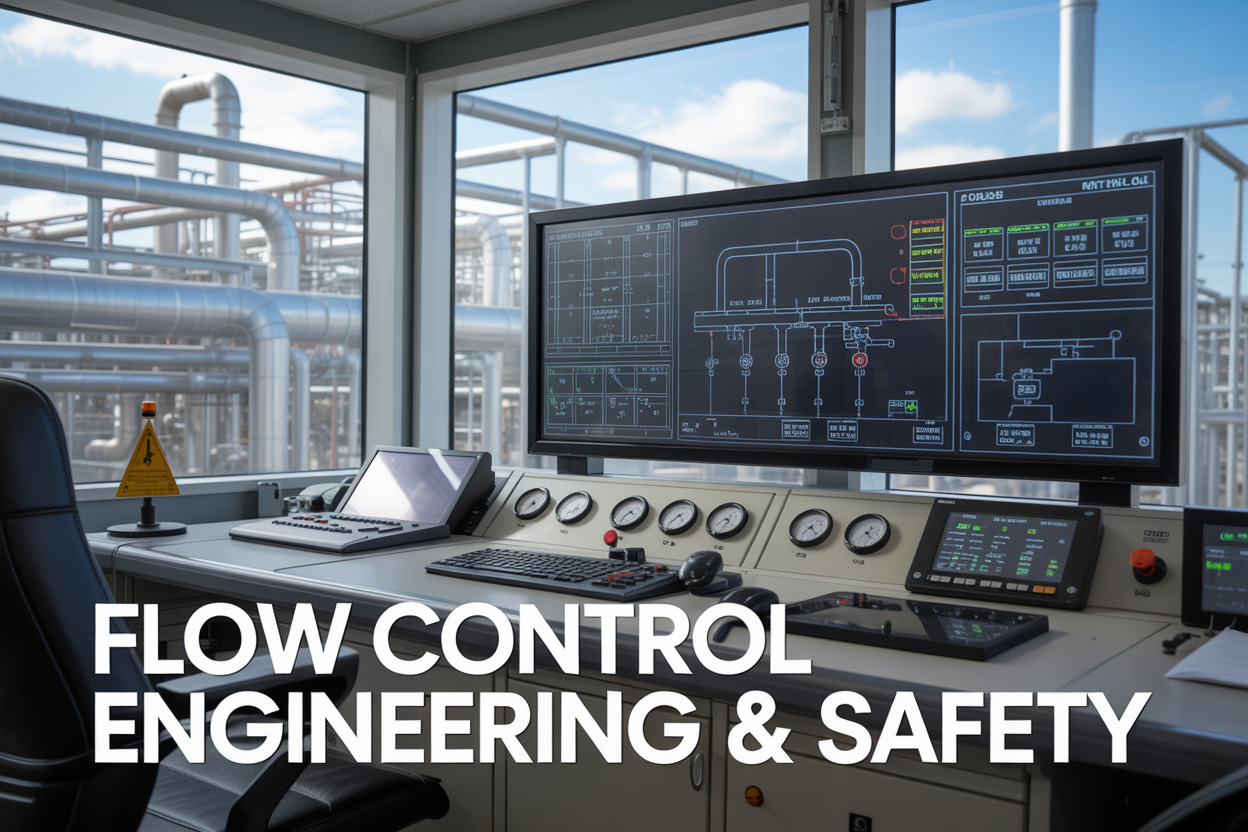
- Remote actuation capabilities allowing operators to initiate shutdowns from secure control rooms
- Sectional isolation valves that compartmentalize pipeline systems for targeted shutdowns
- Communication systems that provide real-time status updates during emergency procedures
The design of these emergency systems follows strict process safety management protocols, ensuring that shutdown procedures minimize product loss while maximizing personnel protection and environmental safety.
Controlling Combustible Material Flow to Reduce Explosion Risks
Hazardous material handling requires specialized flow control solutions designed to minimize ignition risks and prevent explosive atmospheres from developing. Industrial safety systems for combustible materials incorporate explosion-proof valve actuators and intrinsically safe control circuits that eliminate potential ignition sources.
Flow control technology for combustible materials includes specialized valve designs that prevent static electricity buildup and control flow velocities to reduce friction-induced sparking. These systems often incorporate inert gas purging capabilities that displace oxygen-rich atmospheres around critical valve components.
Critical safety features include:
- Flame-arrestor equipped valves that prevent flame propagation through pipeline systems
- Grounding and bonding systems that dissipate static electrical charges
- Velocity-limiting orifices that control flow speeds to prevent static buildup
- Leak detection systems that identify combustible vapor accumulations
Petrochemical safety protocols require these flow control systems to meet stringent certification standards for hazardous area applications, ensuring reliable operation in explosive atmospheres while maintaining precise flow control capabilities.
Maintaining Optimal Operating Temperatures Through Flow Regulation
Temperature control through strategic flow regulation prevents thermal stress conditions that can compromise equipment integrity and create safety hazards. Flow control engineering addresses temperature management by controlling heat transfer rates through precise flow adjustments and thermal cycling protocols.
Advanced temperature control systems integrate flow measurement with thermal monitoring to automatically adjust flow rates when temperature excursions occur. These systems prevent thermal shock by gradually ramping flow changes and incorporating temperature compensation algorithms that account for fluid property variations.
Regulatory compliance engineering standards require temperature control systems to include multiple temperature sensing points and backup cooling systems that activate when primary temperature control fails. These redundant systems ensure that critical equipment remains within safe operating ranges even during upset conditions or equipment malfunctions.
Flow-based temperature control strategies include bypass systems that redirect hot fluids through cooling circuits and variable flow control that adjusts heat input rates based on downstream temperature requirements. These approaches provide operators with flexible temperature management tools while maintaining the precise control necessary for safe operations.
Petrochemical Safety Enhancement Through Advanced Flow Management

Protecting against toxic chemical releases with automated containment
Advanced flow control engineering creates multiple layers of protection when handling dangerous chemicals in petrochemical facilities. Modern industrial safety systems integrate smart sensors with automated shutoff valves that respond instantly when detecting abnormal pressure changes or chemical leaks. These systems work faster than human operators could react, often containing potential releases within seconds of detection.
Process safety management relies heavily on automated containment protocols that include emergency isolation valves, rupture discs, and pressure relief systems. When toxic substances like hydrogen sulfide or benzene threaten to escape containment, flow control technology activates predetermined containment sequences. The systems redirect dangerous materials to safe collection points or neutralization chambers, preventing exposure to workers and nearby communities.
Redundant safety valve systems ensure that if one protection layer fails, backup systems immediately engage. Real-time monitoring continuously tracks chemical concentrations, flow rates, and system pressures across the entire facility. When sensors detect anomalies, the flow control technology automatically adjusts valve positions to maintain safe operating conditions.
Minimizing fire hazards through controlled hydrocarbon distribution
Petrochemical safety depends on precise control of flammable hydrocarbon flows throughout processing facilities. Advanced industrial flow systems maintain optimal pressure ranges and flow velocities that prevent dangerous accumulations of combustible vapors. Smart distribution networks use temperature and pressure sensors to detect potential ignition sources before they create fire risks.
Emergency shutdown systems can isolate entire sections of hydrocarbon processing units within milliseconds when fire detection systems activate. These rapid response capabilities prevent small incidents from escalating into major explosions or fires. Automated purging systems replace flammable atmospheres with inert gases like nitrogen, creating safe conditions for maintenance and emergency response.
Hazardous material handling protocols integrate with flow control systems to ensure proper grounding, static electricity dissipation, and controlled transfer rates. Variable speed pumps and precise metering valves prevent static buildup during fluid transfers, while automated monitoring systems track every aspect of hydrocarbon movement through the facility.
Preventing cross-contamination between different chemical processes
Chemical processing facilities handle multiple incompatible substances that could create dangerous reactions if mixed accidentally. Flow control engineering uses sophisticated isolation systems with double-block-and-bleed valve arrangements that provide absolute separation between different process streams. These systems prevent even trace amounts of one chemical from entering another process line.
Automated cleaning and purging sequences run between different product campaigns, ensuring complete removal of previous chemicals before introducing new materials. Smart valve sequencing prevents human error during product changeovers by following predetermined protocols that eliminate contamination risks.
Regulatory compliance engineering standards require detailed documentation of all cross-contamination prevention measures. Modern flow control systems automatically generate audit trails showing valve positions, flow rates, and cleaning cycles. This documentation proves that facilities maintain proper separation between incompatible chemicals, satisfying regulatory requirements while protecting worker safety.
Color-coded piping systems work alongside electronic identification tags that communicate with control systems to verify correct chemical routing. These multiple verification layers ensure operators cannot accidentally cross-connect incompatible process streams, even during complex maintenance operations or emergency situations.
Risk Mitigation Strategies Using Flow Control Technology

Early Warning Systems for Abnormal Flow Patterns
Smart sensors and monitoring equipment form the backbone of modern early warning systems in industrial flow control engineering. These systems continuously track flow rates, pressure differentials, and temperature variations throughout complex pipeline networks. When flow patterns deviate from established parameters, automated alerts immediately notify operators through multiple channels including visual displays, audible alarms, and mobile notifications.
Advanced flow control technology incorporates machine learning algorithms that recognize subtle changes in flow characteristics before they escalate into dangerous situations. For example, if a pipeline experiences gradual pressure buildup or unexpected flow velocity changes, the system flags these anomalies within seconds. This rapid detection capability proves invaluable in energy sector safety applications where delayed responses can lead to catastrophic failures.
Redundant Safety Mechanisms for Critical Flow Pathways
Critical flow pathways require multiple layers of protection to maintain industrial safety systems standards. Primary safety valves work alongside backup systems that automatically engage when the main control mechanisms fail. This redundancy approach ensures continuous protection even during equipment malfunctions or maintenance periods.
Petrochemical safety protocols demand at least two independent safety mechanisms for high-risk flow pathways. Pressure relief valves, emergency shutdown valves, and flow diverters operate independently, creating overlapping safety zones. If one system experiences failure, the secondary mechanisms maintain protective barriers against potential hazards. This multi-layered approach significantly reduces the probability of safety system failures in hazardous material handling operations.
Remote Monitoring Capabilities for Hazardous Environments
Remote monitoring technology allows operators to maintain safe distances from dangerous industrial environments while maintaining complete control over flow systems. Wireless sensors and telemetry equipment transmit real-time data from explosive atmospheres, toxic gas areas, and high-temperature zones directly to secure control rooms.
These remote capabilities prove especially valuable in petrochemical facilities where human exposure to hazardous materials poses serious health risks. Operators can adjust flow rates, activate safety protocols, and monitor system performance from protected locations. Satellite communication systems ensure connectivity even in remote industrial locations, maintaining constant oversight of critical flow control processes.
Predictive Maintenance Programs Reducing Equipment Failure Risks
Predictive maintenance revolutionizes how industries approach equipment reliability in flow control systems. Vibration analysis, thermal imaging, and fluid analysis reveal equipment degradation patterns before failures occur. This proactive approach prevents unexpected shutdowns that could create safety hazards in energy operations.
Process safety management benefits tremendously from predictive maintenance data. Historical performance trends help maintenance teams schedule repairs during planned shutdowns rather than emergency situations. Regular monitoring of valve wear patterns, pump efficiency ratings, and seal integrity ensures safety valve systems operate within design specifications when needed most.
Emergency Isolation Protocols for Rapid Incident Response
Emergency isolation protocols enable instantaneous shutdown of flow systems during crisis situations. These protocols involve strategically placed isolation valves that can compartmentalize sections of industrial flow systems within seconds. Remote activation capabilities allow operators to isolate dangerous areas without entering hazardous zones.
Regulatory compliance engineering requires detailed emergency response procedures that specify isolation sequences for different types of incidents. Fire scenarios demand different isolation strategies than toxic gas leaks or equipment failures. Pre-programmed isolation sequences ensure consistent responses regardless of which operator initiates the emergency protocol, reducing human error during high-stress situations.
Regulatory Compliance Benefits of Professional Flow Control Systems

Meeting International Safety Standards and Industry Regulations
Professional flow control engineering systems serve as the backbone for meeting stringent international safety standards across the energy and petrochemical sectors. Organizations like OSHA, API, and IEC have established comprehensive requirements for process safety management that directly involve flow control technology implementation.
Modern industrial flow systems must comply with multiple regulatory frameworks simultaneously. The API 521 standard governs pressure relief systems, while NFPA codes address fire safety aspects of flow management. Meanwhile, EPA regulations mandate specific flow monitoring capabilities for emissions control. Companies that invest in professional flow control systems find themselves naturally aligned with these requirements.
The integration of smart flow control technology enables real-time monitoring and automated responses that exceed baseline regulatory requirements. These systems automatically document performance data, maintain operational parameters within specified limits, and trigger immediate corrective actions when deviations occur. This proactive approach transforms regulatory compliance from a reactive burden into an integrated operational advantage.
International certifications like SIL (Safety Integrity Level) ratings become achievable when flow control engineering follows established protocols. These certifications validate that safety valve systems and hazardous material handling procedures meet global benchmarks, opening doors to international markets and partnerships.
Streamlining Safety Audits Through Comprehensive Documentation
Advanced flow control systems revolutionize safety audit processes by automatically generating detailed documentation trails. Every valve operation, pressure reading, and system response gets logged with precise timestamps and operational context. This continuous data collection eliminates the scramble typically associated with preparing for regulatory inspections.
Digital documentation platforms integrated with flow control engineering create searchable databases of safety performance metrics. Auditors can quickly access historical data, review system responses to various scenarios, and verify compliance patterns over extended periods. The transparency this provides builds confidence with regulatory agencies and reduces audit duration significantly.
Predictive maintenance records generated by intelligent flow systems demonstrate proactive safety management. These records show scheduled maintenance activities, component replacement schedules, and performance trend analysis that regulatory agencies value highly. The ability to present comprehensive maintenance documentation often results in reduced inspection frequencies and enhanced regulatory relationships.
Automated reporting capabilities built into professional flow control systems generate standardized compliance reports that align with specific regulatory formats. This eliminates manual report compilation and reduces human error risks while ensuring consistent presentation of safety data across multiple regulatory jurisdictions.
Reducing Liability Exposure with Proven Safety Performance
Professional flow control systems create defensible safety positions that significantly reduce organizational liability exposure. When incidents occur, comprehensive system documentation provides clear evidence of proper safety protocols and equipment performance. This documentation often proves crucial in legal proceedings and insurance claims.
Insurance providers increasingly recognize the risk reduction value of advanced flow control engineering. Companies with documented safety performance through professional systems often qualify for reduced premiums and favorable policy terms. The measurable safety improvements translate directly into financial benefits that offset system investment costs.
Regulatory compliance engineering through flow control technology establishes clear chains of responsibility and decision-making protocols. When systems operate according to documented procedures and respond appropriately to hazardous conditions, liability questions become more straightforward. The technology creates objective records that support organizational safety claims.
Professional flow control systems also enable rapid incident response that can prevent minor issues from escalating into major safety events. Early detection capabilities and automated safety responses demonstrate due diligence in protecting personnel and environmental resources. This proactive safety stance strengthens legal positions and reduces potential liability exposure across multiple scenarios.

Flow control engineering serves as the backbone of safe operations across energy and petrochemical industries. The technology goes beyond basic valve management to create comprehensive safety systems that protect both personnel and equipment. From preventing dangerous pressure buildups to managing hazardous material flows, these advanced systems help facilities maintain optimal safety standards while meeting strict regulatory requirements.
Smart flow control solutions offer companies a clear path to reducing operational risks while boosting efficiency. Investing in professional flow control engineering isn’t just about compliance—it’s about creating a safer workplace where your team can focus on productivity rather than worry about potential hazards. If your facility handles energy or petrochemical processes, partnering with experienced flow control engineers could be the most important safety decision you make this year.