


A single severed fiber optic cable or cyberattack could bring down entire defense communication networks, leaving military units blind and disconnected when they need secure communications most. This threat isn’t science fiction—it’s happening right now as adversaries target our most vulnerable communication systems.
This guide is written for defense contractors, military personnel, cybersecurity professionals, and government officials who need to understand how communication network failures can cascade into national security disasters.
We’ll explore how modern military communication systems have become surprisingly fragile despite their advanced technology. You’ll learn about the massive economic fallout that happens when these networks go down, including the billions lost during each hour of downtime. We’ll also examine how foreign adversaries are actively probing our communication infrastructure for weaknesses, turning our own defense networks into potential weapons against us.
By the end, you’ll understand why building resilient national defense networks isn’t just about having backup systems—it’s about protecting the critical communication equipment and secure military communications that keep our country safe from both digital and physical threats.
Understanding the Fragility of Modern Communication Systems
How interconnected networks create single points of failure
Modern defense communication networks operate like a massive spider web where every connection depends on countless others. When military bases, government facilities, and command centers rely on shared infrastructure, a single compromised node can ripple through the entire system. Fiber optic cables carrying mission-critical communications often follow the same physical routes, creating bottlenecks that enemies can target with precision.
Think about how your smartphone connects to cell towers, which link to switching centers, which route through backbone networks. Military communication systems follow similar patterns but with life-or-death consequences. A damaged undersea cable or compromised satellite can instantly cut off entire regions from command headquarters. These defense communication networks weren’t designed with today’s sophisticated threats in mind.
The problem gets worse when different branches of the military share the same commercial infrastructure. Air Force drone operations, Navy ship communications, and Army tactical networks often depend on civilian internet providers and satellite companies. One successful cyberattack on a major telecommunications hub could simultaneously blind multiple branches of the armed forces.
Real-world examples of communication breakdowns that caused major disruptions
The 2008 Mediterranean cable cuts demonstrate how fragile our national security communications really are. When ship anchors severed multiple undersea cables simultaneously, internet and phone service collapsed across the Middle East and South Asia. Military operations in the region experienced significant communication delays, highlighting dangerous vulnerabilities in defense infrastructure.
During Hurricane Katrina, communication network failures left first responders and military units operating blind for days. Cell towers collapsed, landlines flooded, and backup radio systems failed under the strain. National Guard units couldn’t coordinate with FEMA, police couldn’t reach hospitals, and evacuation efforts ground to a halt. The disaster revealed that redundant systems often share the same physical vulnerabilities.
The 2016 Dyn cyberattack offers another sobering example. When hackers targeted this critical DNS provider, major websites and services went dark across the Eastern United States. While civilian services suffered, military communication systems that relied on the same infrastructure experienced similar disruptions. Enemy nations watched carefully, learning exactly which attacks could paralyze American communications.
More recently, the 2021 Colonial Pipeline ransomware attack shut down fuel supplies across the Southeast, but it also disrupted logistics networks that military bases depend on. When commercial supply chains fail, defense infrastructure vulnerabilities become glaringly obvious.
The domino effect when critical communication links are severed
Picture a military operation where forward units lose contact with command headquarters. Without real-time intelligence updates, troops make decisions based on outdated information. Air support gets delayed or misdirected. Supply convoys take wrong routes into danger zones. Each broken link creates new problems that cascade through the entire mission.
Mission-critical communications failures don’t just affect individual units – they break the entire chain of command. When a regional communication hub goes dark, multiple bases lose connectivity simultaneously. Backup communication protocols often rely on the same compromised infrastructure, creating a house of cards effect.
During active military operations, communication blackouts can turn coordinated strikes into friendly fire incidents. Navy ships lose contact with submarines, fighter jets can’t receive updated target information, and ground forces operate without intelligence support. The fog of war becomes exponentially thicker when communication networks collapse.
Commercial dependencies make these domino effects even more dangerous. When civilian internet providers or satellite companies experience outages, military operations worldwide feel the impact. A single point of failure in Singapore can disrupt Navy operations in the Pacific, while a damaged cable in Virginia affects Army bases across Europe.
Why backup systems often fail when primary networks collapse
Military planners design redundant systems assuming that primary and backup networks will fail independently. Reality tells a different story. Secure military communications often use the same physical infrastructure as primary systems, just with different routing protocols. When backhoes cut fiber cables or storms topple cell towers, both systems go down together.
Power failures create another layer of vulnerability. Backup generators typically provide emergency power for 24-72 hours, but extended outages quickly exhaust fuel supplies. Remote communication sites become isolated islands when roads are impassable and helicopter deliveries impossible. The Hurricane Maria disaster in Puerto Rico demonstrated how quickly backup systems become useless without reliable power and logistics support.
Maintenance neglect compounds these problems. Backup equipment that sits unused for months or years often fails during actual emergencies. Battery banks corrode, fuel degrades, and software updates get overlooked. When crisis strikes, military units discover their fallback options haven’t worked properly in years.
Communication system resilience requires more than just duplicate equipment. Truly independent backup networks need separate power grids, different physical routes, and diverse technology platforms. Otherwise, the same attack that destroys primary communications will simultaneously eliminate backup options, leaving critical operations completely blind when they need connectivity most.
Military and Defense Communication Vulnerabilities

Mission-critical operations that depend on secure communication channels
Military operations across all branches rely heavily on secure defense communication networks to execute complex missions. Combat units in the field depend on encrypted radio systems to coordinate tactical movements, call for artillery support, and request medical evacuations. Without these mission-critical communications, soldiers become isolated and vulnerable, unable to receive updated intelligence or coordinate with supporting units.
Naval vessels operating in international waters require constant communication with command centers to receive navigation updates, threat assessments, and operational orders. Aircraft pilots depend on secure communication equipment to receive flight path modifications, weather updates, and target information in real-time. Even a brief disruption in these national security communications can result in mission failure or loss of life.
Intelligence gathering operations represent another critical dependency. Surveillance teams, reconnaissance units, and special operations forces require encrypted communication channels to transmit sensitive data back to command centers. These secure military communications must remain undetected while providing clear, reliable data transmission.
Drone operations exemplify the vulnerability of modern military communication systems. Unmanned aerial vehicles depend entirely on communication links for control, navigation, and data transmission. A severed communication link can result in the loss of expensive equipment and classified technology.
Command and control centers serve as the nerve centers for military operations, requiring multiple redundant communication pathways to maintain operational effectiveness. These centers coordinate resources across multiple theaters of operation, making reliable communication networks essential for national defense networks.
Cyber warfare threats targeting military communication infrastructure
State-sponsored hackers actively target military communication systems through sophisticated cyber attacks designed to infiltrate and compromise defense networks. These attacks often focus on exploiting vulnerabilities in software, firmware, and network protocols used in critical communication equipment.
Advanced persistent threats represent one of the most dangerous forms of cyber warfare targeting defense infrastructure vulnerabilities. These long-term infiltration campaigns can remain undetected for months or years while gathering intelligence about communication protocols, encryption methods, and operational procedures. Once inside the network, attackers can monitor communications, steal classified information, or prepare for future disruption campaigns.
Malware specifically designed for military systems poses unique challenges for defense communication networks. Unlike commercial cyber threats, military-focused malware often targets specialized hardware and communication protocols used exclusively in defense applications. This malware can corrupt communication data, create false messages, or completely disable communication equipment.
Supply chain attacks represent another growing threat to communication system resilience. Foreign adversaries may compromise communication equipment during manufacturing, shipping, or maintenance processes. These compromised components can contain hidden backdoors or kill switches that allow remote access or system shutdown during critical operations.
Social engineering attacks target military personnel with access to communication systems. These attacks use sophisticated psychological manipulation to trick authorized users into revealing passwords, security protocols, or system access credentials.
Electronic warfare tactics that can disable defense networks instantly
Electronic jamming represents the most immediate threat to military communication systems. Enemy forces can deploy powerful jamming equipment to overwhelm radio frequencies used by defense communication networks, effectively creating communication blackouts across entire operational areas. These jamming attacks can target specific frequency bands or employ broadband jamming to disrupt multiple communication channels simultaneously.
Signal interception and spoofing techniques allow adversaries to capture and manipulate military communications. By intercepting radio transmissions, enemy forces can gather intelligence about troop movements, operational plans, and communication protocols. Spoofing attacks involve transmitting false signals that mimic legitimate military communications, potentially leading friendly forces into traps or causing confusion during critical operations.
Directed energy weapons pose an emerging threat to communication equipment. High-powered microwave weapons can physically damage or temporarily disable electronic components in communication systems from significant distances. These weapons can target satellite communication terminals, radio equipment, and even hardened communication bunkers.
GPS jamming and spoofing attacks specifically target navigation and timing systems critical to modern military operations. Many communication systems rely on GPS signals for synchronization and location services. Disrupting these signals can cause communication networks to lose coordination and fail to maintain secure connections.
Electromagnetic pulse attacks, whether from nuclear detonations or specialized EMP weapons, can instantly disable communication networks across vast areas. These attacks induce powerful electrical surges that can permanently damage unprotected electronic equipment, requiring complete system replacement rather than simple repairs.
Economic Consequences of Communication Network Failures

Financial Markets Paralyzed by Communication Disruptions
When defense communication networks fail, financial markets experience immediate and devastating consequences. Trading floors depend on millisecond-precise data transmission to execute billions in transactions daily. A single communication breakdown can trigger automated trading halts, causing market volatility that ripples across global economies. The 2012 Knight Capital incident, where a software glitch caused $440 million in losses within 45 minutes, demonstrates how quickly communication failures can spiral into financial disasters.
High-frequency trading algorithms require constant connectivity to function properly. When mission-critical communications experience even brief interruptions, these systems can make erroneous trades or freeze entirely, creating liquidity crises. Banks and financial institutions maintain backup communication systems, but sophisticated cyber attacks targeting multiple communication pathways simultaneously can overwhelm these redundancies.
Supply Chain Breakdowns When Logistics Networks Fail
Modern supply chains operate as intricate webs of communication-dependent systems. When communication network failures occur, cargo ships lose contact with port authorities, trucks can’t receive routing updates, and inventory management systems go dark. The 2021 Ever Given blockage in the Suez Canal showcased how communication disruptions can halt global commerce for days.
Logistics companies rely on real-time communication to coordinate:
- GPS tracking systems for fleet management
- RFID scanners for inventory updates
- Satellite communications for remote area operations
- Digital freight matching platforms
- Automated warehouse management systems
Without reliable defense infrastructure vulnerabilities protection, adversaries could deliberately target these communication channels during conflicts, creating economic warfare scenarios where goods can’t reach their destinations.
Emergency Services Unable to Coordinate During Disasters
Emergency response systems collapse when communication networks fail during critical moments. First responders depend on secure military communications protocols to coordinate rescue operations, but natural disasters or deliberate attacks can compromise these systems when they’re needed most.
During Hurricane Katrina, communication failures prevented effective coordination between federal, state, and local agencies. Police, fire, and medical teams couldn’t share vital information, leading to delayed rescues and unnecessary casualties. The disaster highlighted how communication system resilience directly impacts public safety outcomes.
Emergency services require:
- Interoperable radio systems across agencies
- Backup satellite communication capabilities
- Mobile command centers with independent connectivity
- Real-time data sharing platforms
- Geographic information systems for resource deployment
Power Grid Instabilities Caused by Communication Gaps
Electrical grids depend on constant communication between generation facilities, transmission lines, and distribution centers. National security communications networks monitor grid stability in real-time, automatically balancing supply and demand across vast regions. Communication failures can trigger cascading blackouts affecting millions.
The 2003 Northeast blackout began with communication system failures that prevented grid operators from recognizing and responding to equipment problems. Within hours, 55 million people lost power across multiple states and provinces. Modern smart grids are even more vulnerable because they rely heavily on digital communication protocols that can be targeted by cyber attacks.
Power grid communication systems manage:
- Load balancing across transmission networks
- Fault detection and isolation procedures
- Renewable energy integration protocols
- Demand response programs
- Emergency shutdown sequences
Healthcare System Failures During Network Outages
Healthcare facilities face life-threatening situations when communication networks fail. Hospitals rely on digital systems for patient monitoring, medication administration, and emergency response coordination. Communication network failures can disable electronic health records, prevent medical device connectivity, and block telemedicine consultations.
During the 2017 WannaCry ransomware attack, hospitals across multiple countries had to cancel surgeries and divert ambulances because their communication systems were compromised. Medical equipment that depends on network connectivity stopped functioning, forcing staff to rely on manual procedures they hadn’t used in years.
Critical healthcare communications include:
- Patient monitoring systems transmitting vital signs
- Laboratory results delivery networks
- Pharmacy automation and medication dispensing
- Emergency department coordination systems
- Medical imaging and diagnostic equipment connectivity
The interconnected nature of modern healthcare means that communication failures in one area can cascade throughout entire medical networks, potentially compromising patient care across multiple facilities simultaneously.
Foreign Threats and National Security Risks

State-sponsored attacks on communication infrastructure
Nation-states have weaponized cyber warfare against defense communication networks with devastating precision. China’s Advanced Persistent Threat (APT) groups regularly infiltrate military communication systems, while Russia’s GRU has demonstrated the ability to disrupt NATO communications during critical operations. These attacks target the backbone of national security communications, exploiting vulnerabilities in both hardware and software components.
The SolarWinds hack exemplifies how adversaries can embed malicious code deep within mission-critical communications infrastructure. When state actors compromise communication equipment manufacturers, they gain backdoor access to thousands of defense networks simultaneously. North Korea’s Lazarus Group has shown particular expertise in targeting military communication systems through supply chain compromises, while Iran’s cyber units focus on disrupting communication protocols during geopolitical tensions.
These sophisticated attacks often remain undetected for months, allowing foreign intelligence services to map entire communication network architectures. State-sponsored groups can then selectively disable critical communication equipment during conflicts, leaving defense forces blind and unable to coordinate responses.
Terrorist organizations targeting critical communication nodes
Terrorist groups have evolved from physical attacks to cyber operations against communication network failures points. ISIS demonstrated early adoption of cyber tactics by targeting military communication systems in Iraq and Syria, while Al-Qaeda affiliates have recruited skilled hackers to exploit defense infrastructure vulnerabilities.
These organizations identify single points of failure within secure military communications networks. A coordinated attack on communication relay stations, satellite uplinks, and fiber optic junction points could cascade into widespread communication blackouts. The 2008 Mumbai attacks highlighted how terrorists monitor emergency communication frequencies to stay ahead of response teams.
Modern terrorist cells study communication system resilience to identify weak links. They target aging infrastructure components that lack modern security protocols, knowing that military communication systems often rely on legacy equipment with known vulnerabilities. Their goal isn’t sophisticated espionage but rather creating chaos by severing communication links at critical moments.
How adversaries exploit communication weaknesses for intelligence gathering
Foreign intelligence agencies have mastered the art of passive surveillance through compromised national defense networks. They exploit weak encryption protocols, intercept communications through compromised hardware, and analyze communication patterns to predict military operations. Chinese intelligence services, in particular, have perfected the technique of collecting metadata from defense communications without triggering security alerts.
Adversaries plant sleeper malware within critical communication equipment that activates only during high-value intelligence opportunities. Russian SVR operatives have demonstrated the ability to intercept encrypted military communications by compromising the encryption keys stored in communication devices. They exploit trust relationships between allied communication networks to hop between systems undetected.
The most dangerous exploitation involves real-time communication interception during active military operations. Foreign actors can monitor troop movements, strategic planning, and operational timelines by tapping into supposedly secure communication channels. This intelligence gathering capability transforms communication weaknesses into strategic disadvantages that can determine the outcome of conflicts before they begin.
Essential Components of Resilient Defense Communication Systems
Redundant Communication Pathways That Prevent Total System Failure
Modern defense communication networks require multiple interconnected pathways to ensure continuous operation when primary systems fail. These redundant systems create a web of backup connections that automatically activate when main communication channels experience disruption. Military operations depend on having at least three separate communication routes for critical messages, including satellite links, terrestrial fiber networks, and tactical radio systems.
The Pentagon’s approach to redundancy involves creating mesh networks where each node connects to multiple other points. If enemy forces or natural disasters knock out one pathway, traffic instantly reroutes through alternative channels without interrupting mission-critical communications. This design prevents single points of failure that could cripple entire defense operations.
Submarine cable networks provide underwater redundancy for international military communications, while high-frequency radio waves offer backup when satellite systems face interference. Each redundant pathway uses different technologies and physical routes, making simultaneous attacks on all systems extremely difficult for adversaries to execute successfully.
Hardened Equipment Designed to Withstand Physical and Cyber Attacks
Military communication equipment must survive extreme conditions that would destroy civilian technology. Electromagnetic pulse (EMP) shielding protects sensitive electronics from nuclear detonations and solar storms that could disable standard communication devices across vast geographic areas. These hardened systems use specially designed circuit boards and protective casings that block harmful electromagnetic radiation.
Physical hardening involves building equipment that operates in temperatures ranging from -65°F to 185°F while withstanding shock, vibration, and explosive blasts. Military-grade communication devices undergo rigorous testing including drop tests, salt spray exposure, and continuous operation under battlefield stress conditions.
Cyber hardening focuses on creating secure hardware that resists digital infiltration attempts. These systems include tamper-evident seals that detect unauthorized access, secure boot processes that verify system integrity, and isolated processing units that prevent malware from spreading between network components. Hardware-based encryption keys stored in protected memory modules ensure that even physical capture of equipment doesn’t compromise sensitive communications.
Secure Encryption Protocols That Protect Sensitive Military Communications
Advanced encryption standards protect military communications through multiple layers of digital security that make intercepted messages useless to unauthorized recipients. The National Security Agency develops specialized encryption algorithms that exceed commercial security standards, creating communication channels that remain secure even when adversaries possess sophisticated decryption capabilities.
Quantum-resistant encryption prepares defense communication networks for future threats from quantum computers that could break current encryption methods. These next-generation protocols use mathematical problems that remain difficult even for quantum systems to solve, ensuring long-term security for classified military communications.
Key management systems automatically rotate encryption keys to prevent prolonged exposure if encryption gets compromised. Military networks use different encryption levels based on classification requirements, with top-secret communications receiving the strongest protection through multi-layered encryption that combines several different algorithms.
End-to-end encryption ensures that messages remain protected throughout their entire journey from sender to recipient, while zero-knowledge protocols allow network verification without exposing sensitive information to system administrators.
Rapid Deployment Capabilities for Emergency Communication Restoration
Mobile communication units can restore defense networks within hours of system failures or enemy attacks. These deployable systems include satellite terminals, portable radio repeaters, and self-contained communication hubs that establish temporary networks in areas where permanent infrastructure has been damaged or destroyed.
Airborne communication platforms provide immediate coverage restoration using aircraft equipped with powerful transmitters that can relay messages across hundreds of miles. These flying communication nodes bridge gaps in ground-based networks while permanent repairs take place, ensuring continuous military coordination during crisis situations.
Rapid response teams train constantly on emergency deployment procedures, maintaining equipment inventories at strategic locations worldwide. These specialists can parachute into remote areas with portable communication gear or arrive by helicopter with larger mobile command centers that restore full communication capabilities within operational theaters.
Pre-positioned equipment caches contain backup communication systems stored at secure facilities near potential conflict zones. Military planners identify critical locations where communication restoration would be essential and maintain ready-to-deploy equipment that can quickly replace damaged infrastructure components.
Building Future-Proof Communication Networks
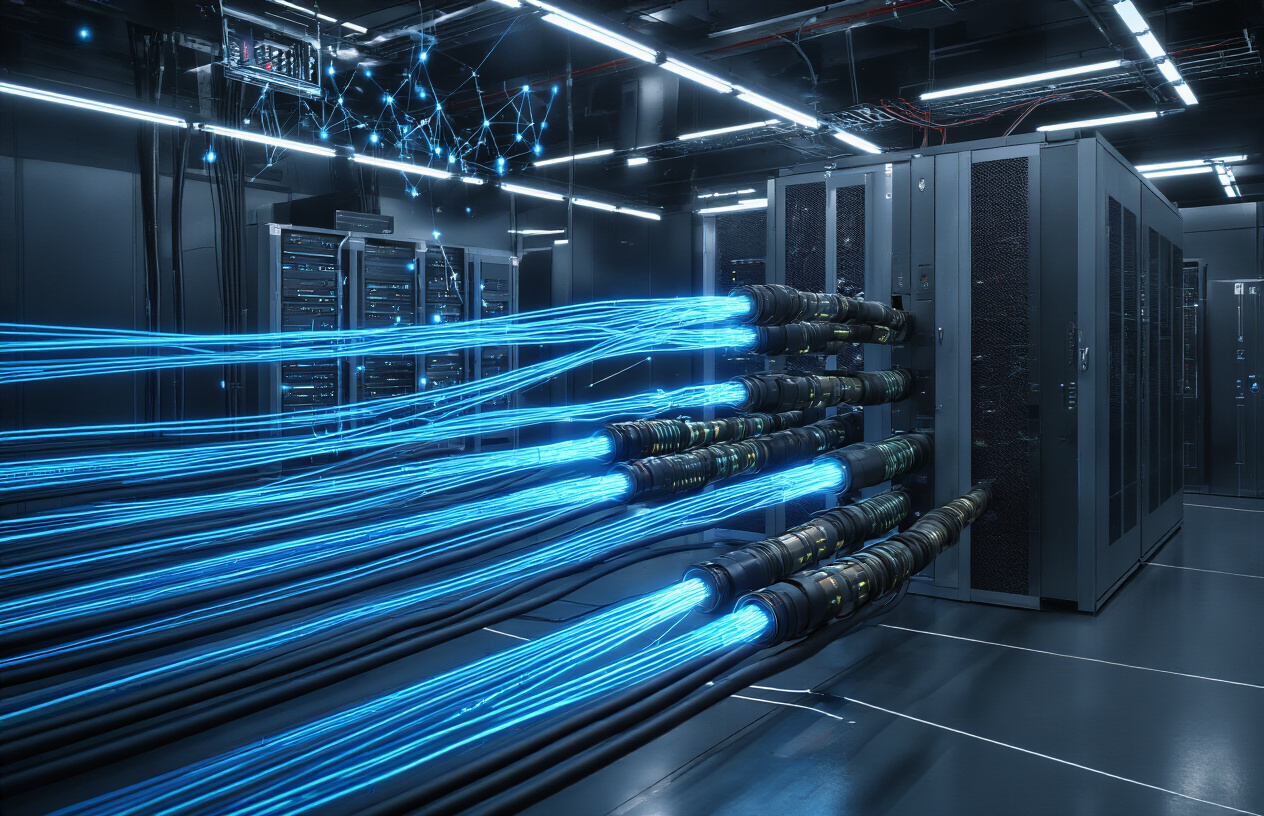
Investment Strategies for Modernizing Aging Communication Infrastructure
Defense communication networks require massive financial commitments spread across decades, not years. Smart agencies prioritize hardware refresh cycles every 5-7 years while planning software upgrades on 18-month intervals. The Pentagon’s recent $2.1 billion allocation for secure military communications demonstrates the scale needed to maintain technological superiority.
Mission-critical communications demand redundant systems built with enterprise-grade components. Organizations should establish dedicated budget lines for communication infrastructure that represent 8-12% of total operational expenses. This investment covers everything from satellite uplinks to fiber-optic cables running through secure facilities.
Strategic procurement focuses on interoperable systems that work across different military branches and allied nations. Rather than buying the cheapest equipment, successful modernization programs select vendors with proven track records in defense communication networks. These partnerships often span 15-20 years, creating stable platforms for continuous improvement.
Public-Private Partnerships That Strengthen National Communication Security
Private sector innovation drives breakthroughs in communication system resilience faster than traditional government development cycles. Companies like Raytheon, Lockheed Martin, and emerging tech startups bring cutting-edge encryption, AI-powered threat detection, and quantum-resistant protocols to national defense networks.
Effective partnerships establish clear security clearance requirements and intellectual property protections upfront. The government provides long-term contracts and research funding while private companies deliver rapid prototyping and field-tested solutions. This model has produced major advances in secure satellite communications and mobile command centers.
Joint research initiatives between defense contractors and universities create the next generation of communication technologies. These collaborations often result in dual-use innovations that benefit both military operations and civilian infrastructure. The National Science Foundation’s cybersecurity research grants have spawned dozens of startups focused on critical communication equipment.
Training Programs That Prepare Personnel for Communication Crisis Management
Communication failures happen when people panic, not just when equipment breaks. Successful training programs simulate high-stress scenarios where primary and backup systems fail simultaneously. Personnel learn to maintain operational effectiveness using degraded communication channels and manual backup procedures.
Cross-training programs ensure multiple team members can operate every piece of critical communication equipment. This redundancy prevents single points of failure when key operators are unavailable during emergencies. Military communication systems require at least three qualified operators per shift for mission-critical networks.
Regular drills test communication protocols under realistic conditions including power outages, cyberattacks, and physical damage to infrastructure. The best programs include surprise exercises that activate without warning, measuring true response capabilities rather than rehearsed performances.
Regular Testing Protocols That Identify Vulnerabilities Before They Become Critical
Penetration testing reveals weaknesses in national security communications before adversaries exploit them. Professional red teams attempt to breach defense communication networks using the same tools and techniques employed by foreign intelligence services. These assessments happen quarterly for high-priority systems and annually for secondary networks.
Automated monitoring systems track performance metrics across all communication channels 24/7. Key indicators include signal strength, encryption integrity, response times, and bandwidth utilization. When any metric falls outside normal parameters, alerts trigger immediate investigation and corrective action.
Stress testing pushes communication network failures to their breaking points during controlled conditions. Engineers deliberately overload systems, cut fiber connections, and simulate electromagnetic interference to understand failure modes. This data helps design better backup systems and recovery procedures for real emergencies.
Documentation protocols require detailed reports after every test, drill, or actual incident. These records create institutional knowledge that improves future response capabilities and helps identify patterns that might indicate emerging threats to national defense networks.

A single communication breakdown can trigger a domino effect that reaches far beyond military operations. When defense networks go dark, the ripple effects hit everything from emergency services to financial markets, leaving entire regions vulnerable to chaos. Foreign adversaries know this weakness and actively work to exploit it, making robust communication infrastructure not just a military priority but a national survival issue.
The path forward demands immediate action on multiple fronts. Military leaders need to invest in redundant, hardened communication systems that can withstand both cyber attacks and physical damage. At the same time, government and industry must work together to create communication networks that can adapt and recover quickly when problems arise. The cost of building these resilient systems might seem high, but it’s nothing compared to the price of watching everything collapse because we ignored a simple truth: in our connected world, communication isn’t just convenience—it’s the lifeline that keeps nations secure.