


Modern wars aren’t won by superior firepower alone—they’re decided by who can communicate faster, clearer, and more securely when it matters most. Military communication systems have become the invisible backbone determining whether soldiers come home alive and whether entire campaigns succeed or fail.
This deep dive is for military professionals, defense contractors, technology enthusiasts, and anyone curious about how battlefield communication technology shapes modern warfare outcomes. You’ll discover why communication breakdowns still cost lives despite advanced technology, and how today’s militaries are building networks that can withstand enemy attacks.
We’ll explore the devastating impact of wartime communication failures on military operations and examine the revolutionary technologies transforming how forces coordinate in real-time. You’ll also learn how secure military networks and mission critical communications create the foundation for tactical superiority, backed by real-world case studies where communication advantages determined victory.
The stakes have never been higher—modern conflicts move at digital speed, and armies that can’t adapt their communication infrastructure warfare strategies risk catastrophic defeat.
How Communication Failures Cost Military Lives and Entire Campaigns
Critical Intelligence Missed Due to Broken Communication Chains
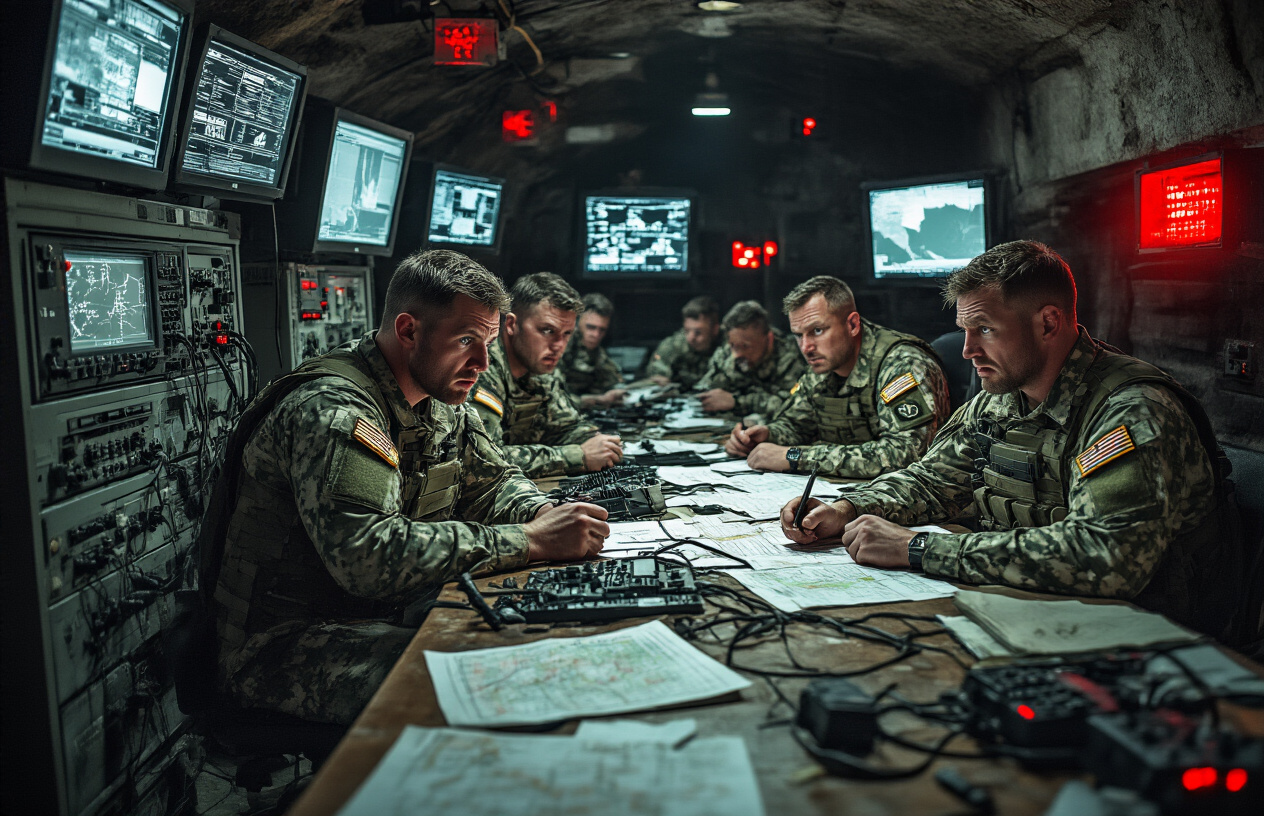
Military operations depend entirely on the flow of accurate, timely information. When communication chains break down, commanders make decisions based on incomplete or outdated intelligence, often with catastrophic consequences. Modern military communication systems serve as the nervous system of any fighting force, carrying vital data about enemy positions, troop movements, and changing battlefield conditions.
Radio failures, encrypted message delays, and network outages create intelligence blind spots that enemy forces can exploit. During Operation Iraqi Freedom, several units operated for hours without knowing their exact positions relative to friendly forces because satellite communication links went down. This information gap led to confusion about target identification and delayed critical air support missions.
Intelligence gathering becomes meaningless when the data cannot reach decision-makers. Reconnaissance teams might spot enemy reinforcements moving into position, but if their reports never make it to headquarters due to compromised battlefield communication technology, those troops could walk into an ambush. The time-sensitive nature of military intelligence means that even a few minutes of communication breakdown can render valuable information useless.
Friendly Fire Incidents Caused by Inadequate Coordination Systems
Poor coordination between military units has resulted in some of the most tragic losses in modern warfare. Mission critical communications failures prevent units from sharing their positions, creating deadly confusion about who controls which areas of the battlefield. When different branches of the military cannot communicate effectively, they risk targeting their own forces.
The 1994 friendly fire incident over Iraq involved two U.S. Air Force F-15 fighters shooting down two U.S. Army Black Hawk helicopters, killing 26 personnel. Investigation revealed multiple communication breakdowns, including:
- Inadequate identification friend-or-foe (IFF) systems
- Poor radio protocol between air and ground units
- Missing coordination between different command centers
- Failure to share real-time flight information
Modern military tactical communications systems now include multiple redundancies specifically designed to prevent such tragedies. GPS tracking, encrypted radio networks, and digital identification systems work together to ensure every unit knows the location and status of friendly forces.
Strategic Opportunities Lost Through Delayed or Garbled Messages
Timing determines success or failure in military operations. A perfectly planned assault can collapse if orders arrive late or become corrupted during transmission. Wartime communication failures have cost military forces countless strategic advantages throughout history.
Digital message corruption poses a particular threat to modern operations. When data packets containing coordinates, timing instructions, or target information become garbled during transmission, units might receive incomplete or contradictory orders. A single corrupted digit in GPS coordinates could direct artillery fire onto friendly positions instead of enemy targets.
Communication delays also allow enemies to adapt and counter military moves. If it takes two hours for reconnaissance data to reach commanders, and another hour for new orders to reach field units, the enemy has gained three hours to reposition forces or strengthen defenses. In fast-moving conflicts, this delay often means the difference between capturing objectives and facing heavily fortified positions.
Historical Battles Where Communication Breakdowns Determined Defeat
The Battle of Little Bighorn (1876) demonstrates how communication failures can doom entire campaigns. General Custer’s forces lacked effective ways to coordinate with other units or call for reinforcement. Without reliable military command and control systems, Custer made tactical decisions based on incomplete information about enemy strength and positioning.
During World War II, the German offensive at the Battle of the Bulge initially succeeded partly because Allied forces couldn’t coordinate their response effectively. Severed telephone lines and radio jamming prevented American units from sharing intelligence about the scale and direction of the German attack. This communication breakdown delayed the Allied counter-response by crucial hours.
The Charge of the Light Brigade (1854) resulted from a catastrophic communication failure where verbal orders became misinterpreted as they passed through the chain of command. Without written confirmation or reliable communication protocols, 600 British cavalrymen charged directly into Russian artillery positions, suffering devastating casualties.
These historical examples highlight why modern militaries invest billions in secure military networks and battlefield connectivity solutions. Today’s armed forces recognize that superior firepower means nothing without the communication infrastructure to coordinate its effective use.
Revolutionary Technologies That Transform Battlefield Communication
Satellite-based Secure Communication Networks for Real-Time Coordination
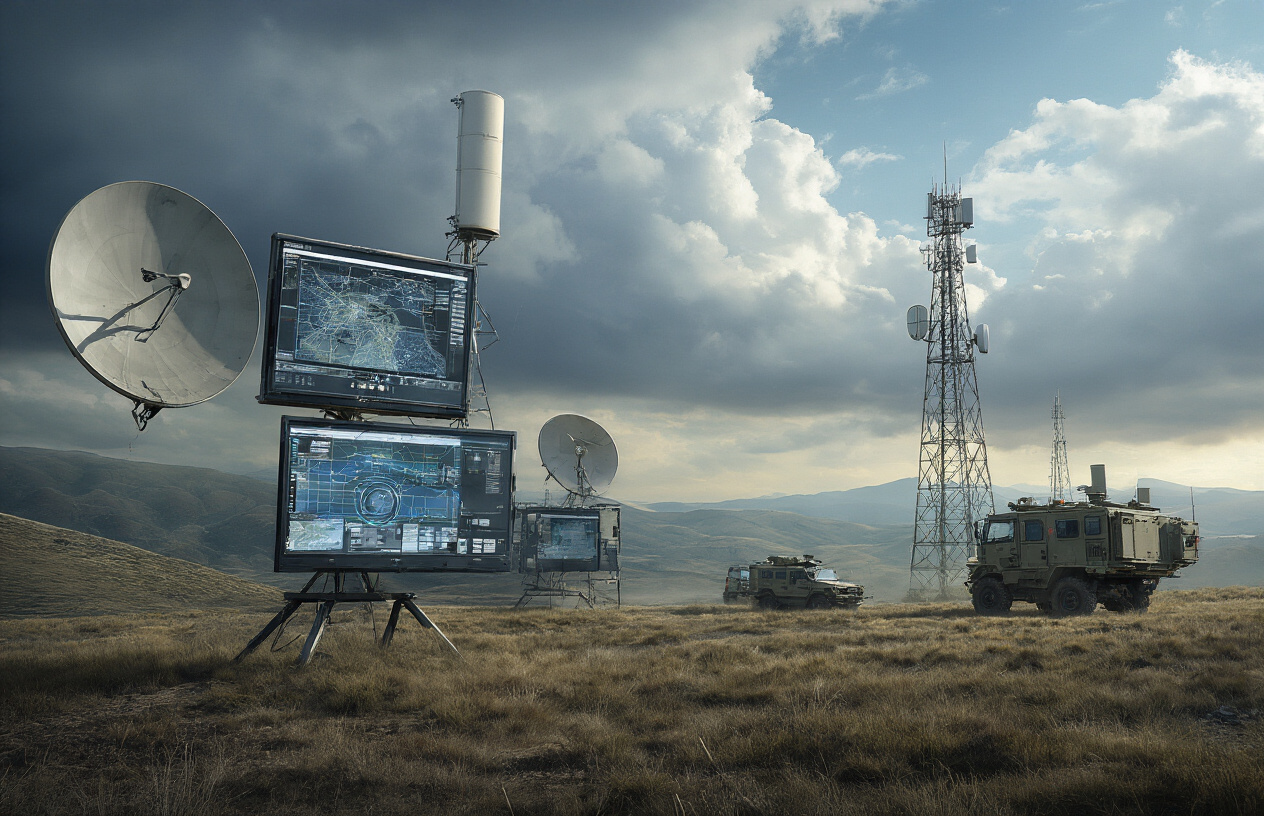
Modern military operations depend on satellite networks that create unbreakable communication links across vast distances. These sophisticated military communication systems enable commanders to coordinate troops, vehicles, and aircraft regardless of terrain obstacles or distance barriers. Unlike traditional radio systems that struggle with range limitations, satellite-based networks provide global coverage with crystal-clear voice and data transmission.
The latest generation of military satellites uses advanced encryption protocols that make interception nearly impossible. These networks automatically switch between multiple satellites to maintain continuous connectivity, even when individual satellites face interference or attack. Ground forces can now receive real-time updates from headquarters while simultaneously sharing battlefield intelligence with air support and naval units.
What makes these systems truly revolutionary is their ability to handle massive data loads without degradation. High-resolution video feeds, detailed maps, and sensor data flow seamlessly between units, creating a shared operational picture that keeps everyone informed. The networks also support priority messaging systems that ensure critical communications reach their destination first, even during peak usage periods.
Encrypted Digital Systems That Prevent Enemy Interception
Digital encryption has completely transformed how militaries protect their communications from enemy surveillance. Modern battlefield communication technology employs multiple layers of encryption that change dynamically throughout each conversation, making it virtually impossible for adversaries to decode intercepted messages.
These systems use quantum-resistant algorithms that remain secure even against advanced computational attacks. Every device automatically generates new encryption keys multiple times per minute, ensuring that even if one key becomes compromised, the damage remains minimal. The technology also includes built-in authentication protocols that verify each participant’s identity before allowing access to sensitive communications.
Military units now carry handheld devices that provide bank-level security for voice calls, text messages, and file transfers. These devices connect seamlessly with existing equipment while maintaining the highest security standards. The encryption happens in real-time without noticeable delays, allowing natural conversation flow during critical operations.
AI-Powered Translation Tools for Multinational Force Integration
Artificial intelligence has broken down language barriers that historically complicated joint military operations. Advanced translation systems now provide instant, accurate communication between forces speaking different languages, enabling seamless cooperation between allied nations.
These AI tools understand military terminology, tactical concepts, and operational procedures across dozens of languages. The systems learn from each interaction, continuously improving their accuracy and expanding their vocabulary of specialized terms. Voice recognition technology allows soldiers to speak naturally while receiving immediate translations through their headsets.
The technology goes beyond simple word-for-word translation by understanding context and cultural nuances that affect military communication. AI systems can adapt their translation style based on the urgency of the situation, providing concise battlefield updates or detailed strategic discussions as needed. This capability has proven invaluable during multinational peacekeeping missions and joint training exercises.
Mesh Networking Technology That Maintains Connectivity Under Attack
Mesh networks represent a breakthrough in resilient military tactical communications by creating self-healing communication webs that adapt automatically to battlefield damage. Unlike traditional hub-and-spoke systems that fail when central nodes are destroyed, mesh networks reroute traffic through alternative paths without human intervention.
Each device in a mesh network acts as both a communication endpoint and a relay station, strengthening the overall network as more units join the system. When enemy action disables certain nodes, the network instantly reconfigures to maintain connectivity through remaining paths. This redundancy ensures that critical messages reach their destination even during intense combat situations.
The technology excels in urban environments where buildings and terrain create communication dead zones. Mesh networks automatically identify the strongest signal paths and boost weak connections by coordinating multiple devices to relay messages. Teams can maintain contact while moving through complex environments without losing connectivity or compromising their positions through excessive radio transmissions.
Real-Time Intelligence Sharing That Saves Lives and Wins Conflicts
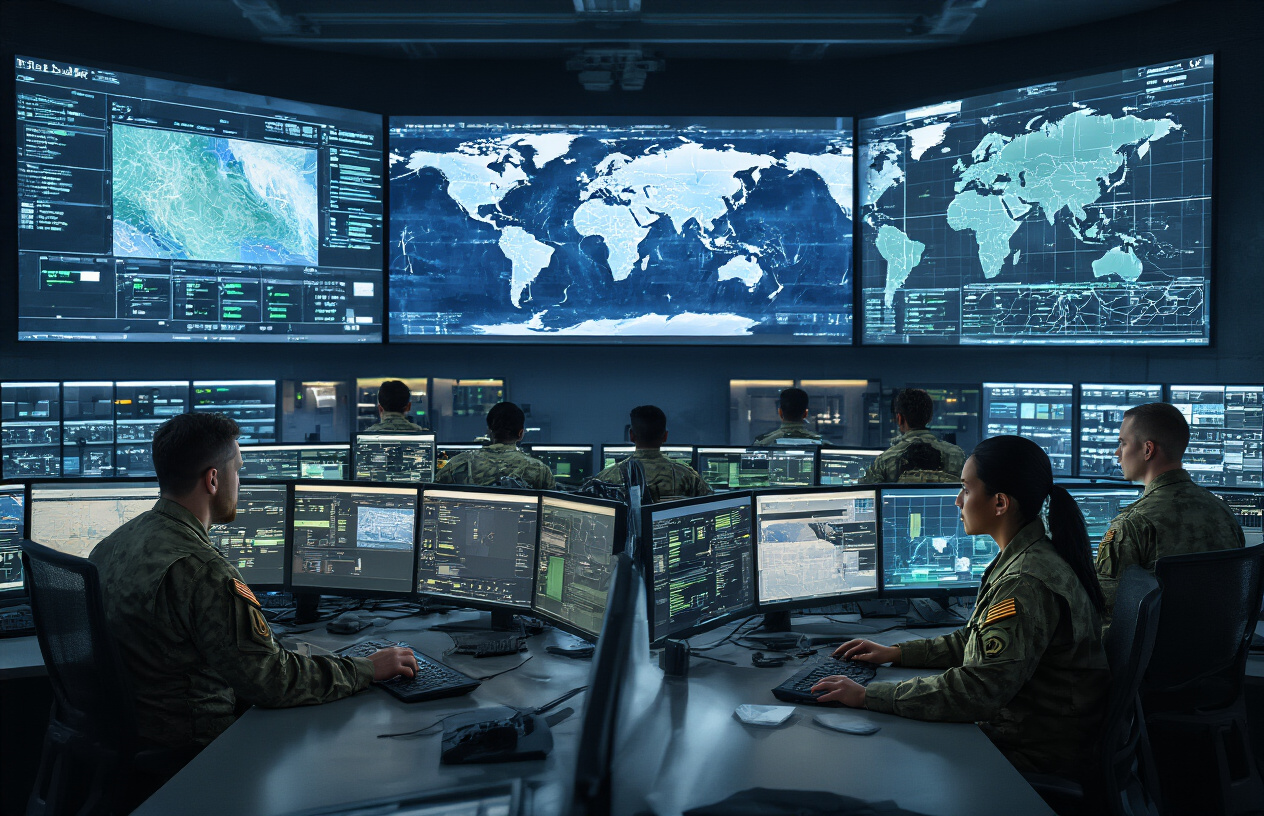
Instant threat alerts that enable rapid tactical adjustments
Modern battlefield communication systems deliver critical intelligence in seconds, not minutes. When enemy forces mobilize or hostile aircraft appear on radar, real-time military intelligence flows instantly to every relevant unit across the theater of operations. This speed transforms how commanders respond to emerging threats.
Advanced military communication systems now integrate multiple intelligence sources – satellite imagery, drone surveillance, ground sensors, and human intelligence – into unified threat assessment platforms. A sniper’s movement detected by thermal imaging triggers immediate alerts to nearby patrols. An improvised explosive device spotted by overhead reconnaissance reaches bomb disposal teams before they enter the danger zone.
The difference between life and death often comes down to seconds. Traditional communication delays that once took 10-15 minutes to relay threat information now happen in under 30 seconds through secure military networks. Field commanders receive geo-tagged alerts with precise coordinates, threat classifications, and recommended responses displayed on ruggedized tablets and heads-up displays.
Smart filtering prevents information overload by prioritizing threats based on proximity, severity, and mission relevance. Artificial intelligence algorithms learn unit movement patterns and automatically route alerts to the most affected personnel first.
Coordinated strike capabilities through synchronized communication
Mission critical communications enable multiple military units to execute complex operations with surgical precision. Strike packages involving air support, artillery, and ground forces coordinate through encrypted channels that maintain perfect timing across vast distances.
Real-time targeting data flows seamlessly between forward observers, drone operators, and weapons systems. When ground units identify high-value targets, coordinates transmit instantly to artillery batteries and close air support aircraft. GPS-guided munitions receive updated targeting information mid-flight, adjusting course based on enemy movement tracked through battlefield communication technology.
Synchronized operations prevent friendly fire incidents through continuous position tracking. Every vehicle, aircraft, and soldier transmits location data, creating dynamic maps that show friendly forces in real-time. Blue-force tracking systems automatically calculate safe engagement zones and alert weapon systems when friendly units enter potential impact areas.
Multi-domain operations require split-second coordination between land, sea, air, space, and cyber forces. Military tactical communications networks synchronize satellite reconnaissance, naval gunfire support, air strikes, and cyber warfare operations into unified campaigns that overwhelm enemy defenses through precisely timed attacks.
Enhanced situational awareness across all command levels
Military command and control systems create unprecedented battlefield transparency by sharing intelligence across every level of command simultaneously. Junior officers access the same real-time intelligence feeds available to generals, enabling rapid decision-making without waiting for orders to filter down through traditional chains of command.
Interactive battlefield maps display friendly forces, enemy positions, civilian populations, and critical infrastructure in real-time layers. Commanders zoom from strategic overviews showing entire regions down to tactical views of individual buildings. Intelligence analysts update threat assessments continuously, with changes appearing instantly across all command levels.
Battlefield connectivity solutions ensure information flows both up and down the command structure. Ground units report contact immediately to higher headquarters while simultaneously sharing intelligence with adjacent units facing similar threats. This horizontal information sharing creates network effects where each unit’s observations strengthen overall situational awareness.
Machine learning algorithms analyze communication patterns and automatically highlight anomalies that might indicate enemy activity. When radio chatter increases in specific areas or certain communication signatures appear, the system flags these patterns for human analysis, often detecting threats before they fully develop.
Decision support tools process vast amounts of intelligence data and present actionable recommendations to commanders at every level. Rather than drowning in information, leaders receive filtered, prioritized intelligence tailored to their specific responsibilities and authority levels.
How Modern Militaries Build Unbreakable Communication Infrastructure
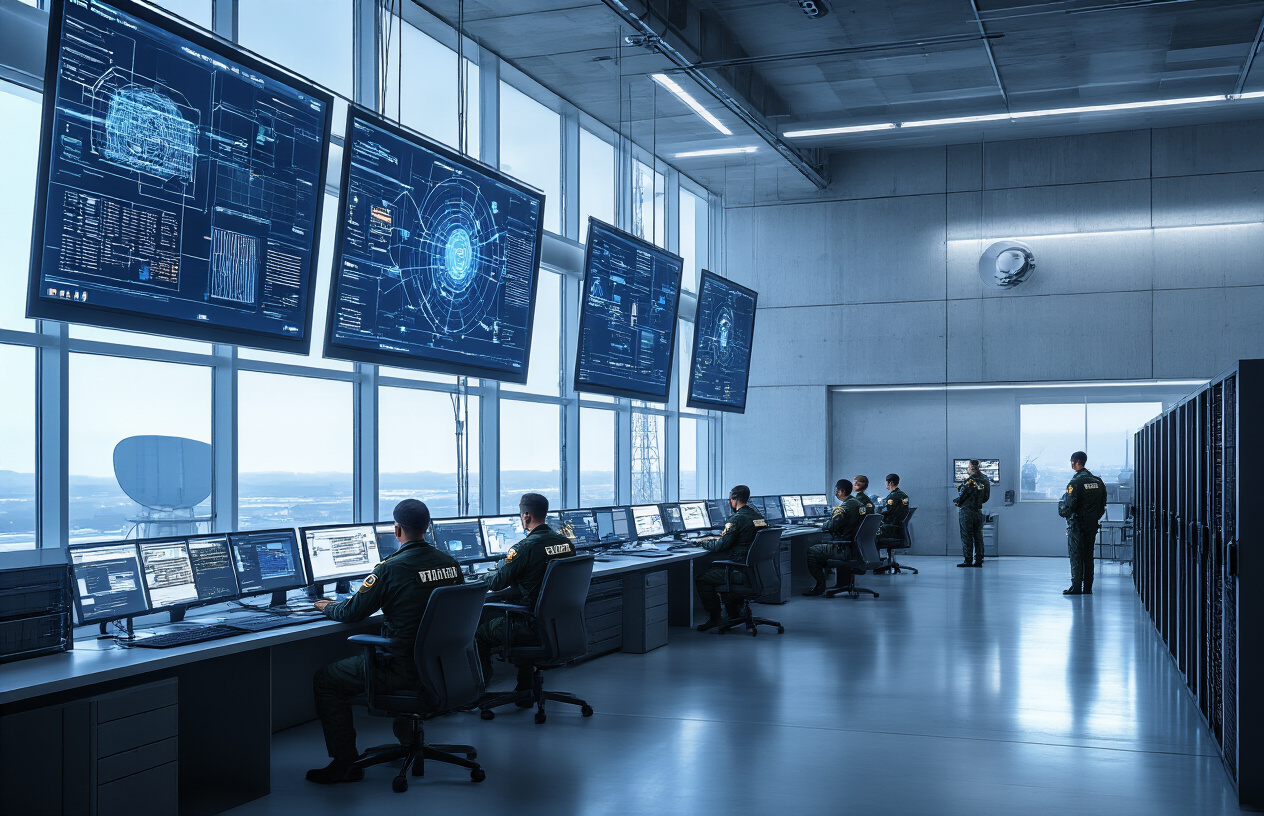
Redundant System Design That Ensures Continuous Operation
Military communication systems face constant threats from enemy fire, electronic jamming, and equipment failures. Smart militaries build multiple backup layers into their military communication systems to guarantee operational continuity. Primary networks run alongside secondary and tertiary systems, each capable of handling full communication loads when others fail.
The backbone approach creates mesh networks where every node connects to multiple others. If one communication hub gets destroyed, traffic automatically reroutes through alternate pathways. Satellite links, radio frequencies, and fiber optic cables operate simultaneously, creating triple redundancy that keeps commanders connected even under heavy attack.
Geographic distribution plays a crucial role in battlefield communication technology resilience. Command centers spread across multiple locations prevent single points of failure. Mobile backup units deploy quickly to replace damaged infrastructure, while portable relay stations maintain connections during equipment repairs.
Cybersecurity Protocols That Protect Against Electronic Warfare
Enemy forces constantly attempt to intercept, jam, or corrupt military tactical communications. Modern armies deploy sophisticated encryption protocols that change keys automatically every few seconds, making interception nearly impossible. Frequency-hopping radios jump between channels thousands of times per minute, staying ahead of jamming attempts.
Authentication systems verify every message sender and recipient through digital signatures and biometric confirmation. Multi-factor authentication prevents enemy infiltration even if passwords get compromised. Isolated network segments contain security breaches, stopping malware from spreading across entire communication systems.
Secure military networks employ quantum encryption for the most sensitive communications. These systems detect any attempt to intercept messages, automatically alerting operators to security threats. Artificial intelligence monitors communication patterns continuously, identifying unusual activity that might indicate enemy interference.
Mobile Communication Units for Rapidly Changing Battlefields
Today’s conflicts demand battlefield connectivity solutions that move with advancing forces. Self-contained communication vehicles carry complete network infrastructure, establishing secure connections within minutes of arrival. These mobile units feature satellite uplinks, radio repeaters, and data processing capabilities that rival permanent installations.
Rapid deployment teams set up communication networks in contested areas where fixed infrastructure doesn’t exist. Portable towers extend signal range while maintaining low profiles to avoid enemy detection. Solar panels and backup generators ensure continuous operation during extended missions.
Drone-based communication relays provide coverage over mountainous terrain and urban environments where traditional signals struggle. These airborne platforms create temporary communication bridges, connecting isolated units with main command centers. Quick-setup protocols allow operators to establish full networks in under thirty minutes.
Integration Strategies That Connect Legacy and Cutting-Edge Systems
Military forces often operate equipment from different decades simultaneously. Smart integration connects older radio systems with modern digital networks through protocol converters and signal translators. These bridges ensure veteran equipment remains functional while new technology gets introduced gradually.
Military command and control systems use standardized interfaces that allow different manufacturers’ equipment to communicate seamlessly. Open architecture designs prevent vendor lock-in while enabling rapid upgrades of individual components. Software-defined radios adapt to multiple communication standards automatically.
Cross-platform compatibility extends to allied forces during joint operations. International standards ensure American, British, and NATO systems work together without communication gaps. Real-time translation systems convert different data formats instantly, maintaining operational tempo during multinational missions.
Case Studies of Communication Superiority Determining Victory
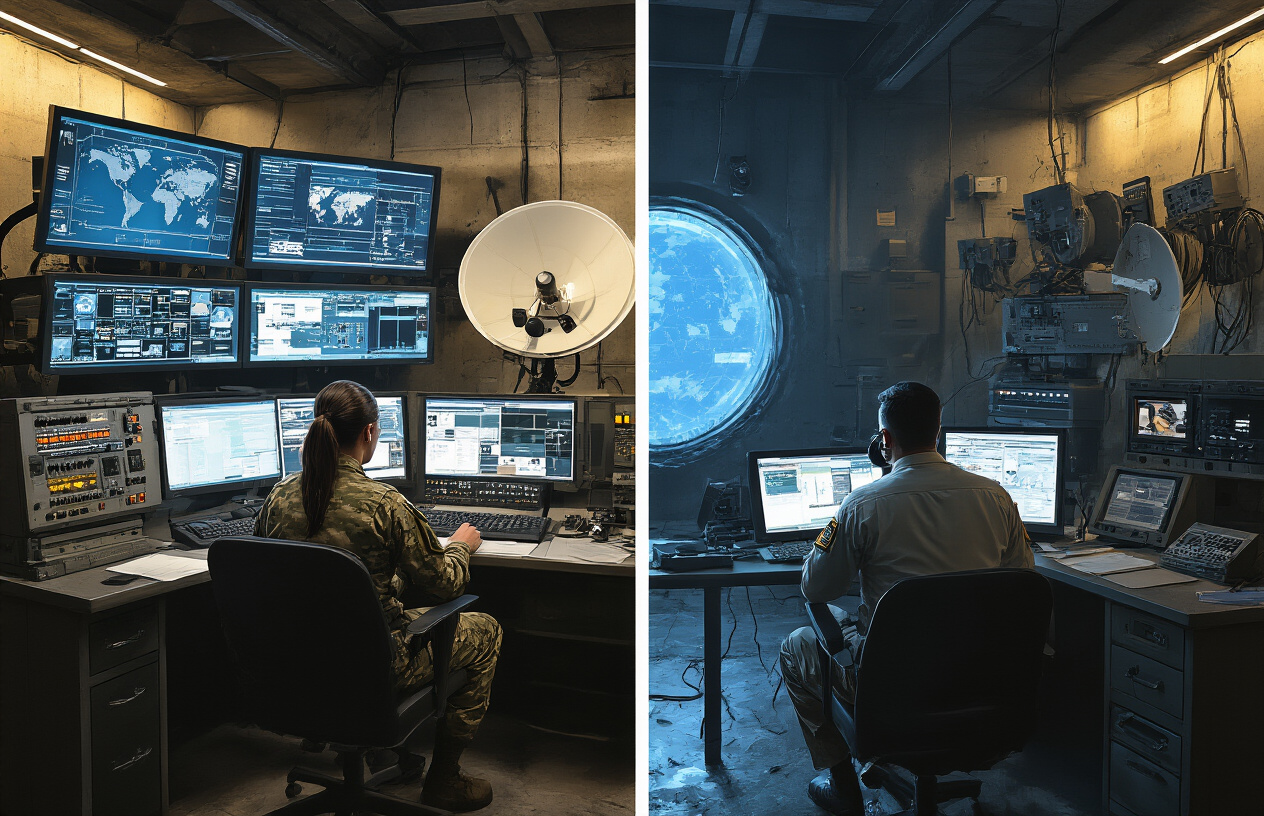
Operation Desert Storm’s Communication Advantage Over Iraqi Forces
The 1991 Gulf War showcased how superior military communication systems can completely outclass an enemy force. Coalition forces enjoyed real-time satellite communications, encrypted digital networks, and advanced command and control systems that left Iraqi forces operating virtually blind. While Iraqi commanders struggled with disrupted landline communications and outdated radio equipment, American forces coordinated precision strikes across multiple theaters simultaneously.
The coalition’s battlefield communication technology enabled commanders to track friendly forces in real-time, preventing fratricide incidents that plagued previous conflicts. GPS-enabled communication devices allowed ground units to call in air support with pinpoint accuracy, while secure military networks ensured sensitive intelligence flowed freely between units without enemy interception. Iraqi forces, cut off from their command structure within hours of the conflict’s start, could barely coordinate basic defensive maneuvers.
This communication superiority translated directly into battlefield dominance. Coalition air controllers managed over 100,000 sorties with minimal coordination errors, while Iraqi air defenses operated in complete isolation from each other. The result was a 100-hour ground war that achieved total victory with remarkably low casualties – a testament to mission critical communications supremacy.
NATO’s Coordinated Response Capabilities in Recent Conflicts
NATO’s success in modern conflicts stems largely from standardized military tactical communications protocols that allow 30 different nations to operate as a unified force. The alliance’s communication infrastructure warfare capabilities demonstrated their effectiveness during operations in Afghanistan, Libya, and ongoing support for Ukraine.
Key communication advantages include:
- Interoperable radio systems that allow seamless coordination between different national forces
- Shared intelligence networks providing real-time battlefield awareness across all member nations
- Standardized command protocols enabling rapid response to emerging threats
- Secure satellite communications maintaining connectivity in contested environments
During the 2011 Libya intervention, NATO commanders coordinated air strikes from multiple nations while simultaneously managing humanitarian corridors and no-fly zone enforcement. This complex operation required split-second communication between fighter pilots, ground controllers, and command centers across three continents. The mission’s success proved that advanced battlefield connectivity solutions could enable precision warfare even in politically complex scenarios.
Recent support for Ukrainian forces has highlighted NATO’s ability to share real-time military intelligence across multiple platforms while maintaining operational security. This communication superiority has proven decisive in countering conventional military threats.
Special Operations Successes Through Seamless Team Communication
Elite military units depend on flawless communication systems to execute high-risk missions where seconds determine success or failure. The 2011 operation that eliminated Osama bin Laden exemplifies how mission critical communications enable special operations success.
SEAL Team Six maintained constant contact with command centers in Afghanistan and Washington throughout the raid. Helmet-mounted cameras transmitted live video feeds, allowing commanders to make real-time tactical decisions. When one helicopter crashed, seamless communication protocols enabled immediate backup deployment and extraction planning.
Modern special operations rely on these communication capabilities:
| Communication Tool | Battlefield Application | Critical Advantage |
|---|---|---|
| Mesh radio networks | Maintain contact in denied areas | Self-healing connectivity |
| Satellite uplinks | Real-time intelligence updates | Global command coordination |
| Encrypted data streams | Secure mission parameters | Protected operational details |
| Biometric sensors | Team health monitoring | Medical emergency response |
Special operations units routinely operate in environments where traditional military command and control systems fail. Their success depends on ruggedized communication equipment that functions underwater, in extreme temperatures, and under heavy electronic jamming. These specialized military communication systems often pioneer technologies later adopted by conventional forces.
The difference between mission success and catastrophic failure often comes down to whether team members can communicate critical information in the heat of combat. Superior communication technology transforms small units into force multipliers capable of achieving strategic objectives far beyond their numerical strength.

When you look at modern warfare, it all comes down to one thing: who can talk to each other better. The battles we’ve examined show that communication failures don’t just slow things down – they get people killed and lose entire wars. From outdated radio systems causing friendly fire incidents to intelligence delays that cost strategic advantages, the price of poor communication is measured in both lives and defeats.
Today’s military leaders understand this reality. They’re investing heavily in secure, real-time communication networks that connect everyone from ground troops to command centers. The armies that can share intelligence instantly, coordinate complex operations seamlessly, and maintain contact under any conditions are the ones walking away victorious. If you’re involved in military planning or defense technology, make communication infrastructure your top priority – because in modern warfare, the side that communicates best doesn’t just have an advantage, they have the war won before the first shot is fired.